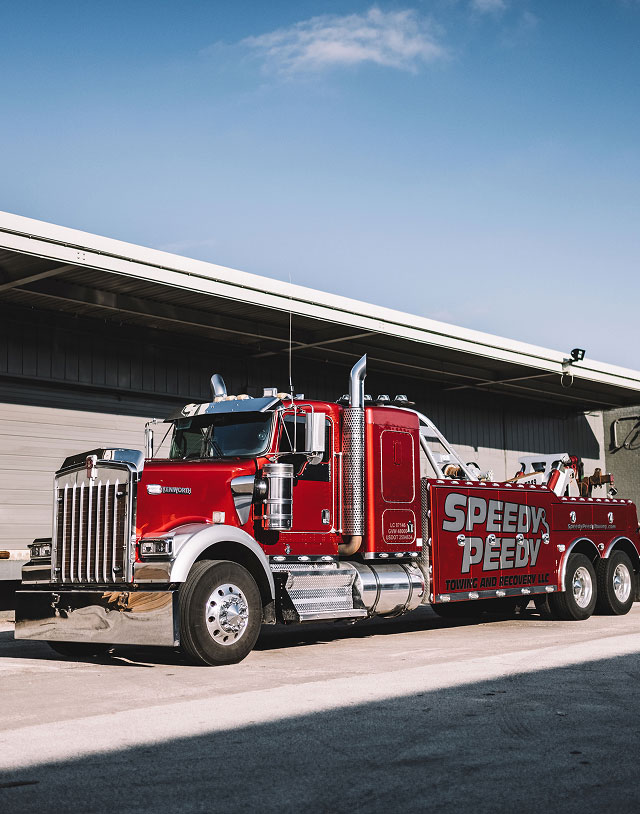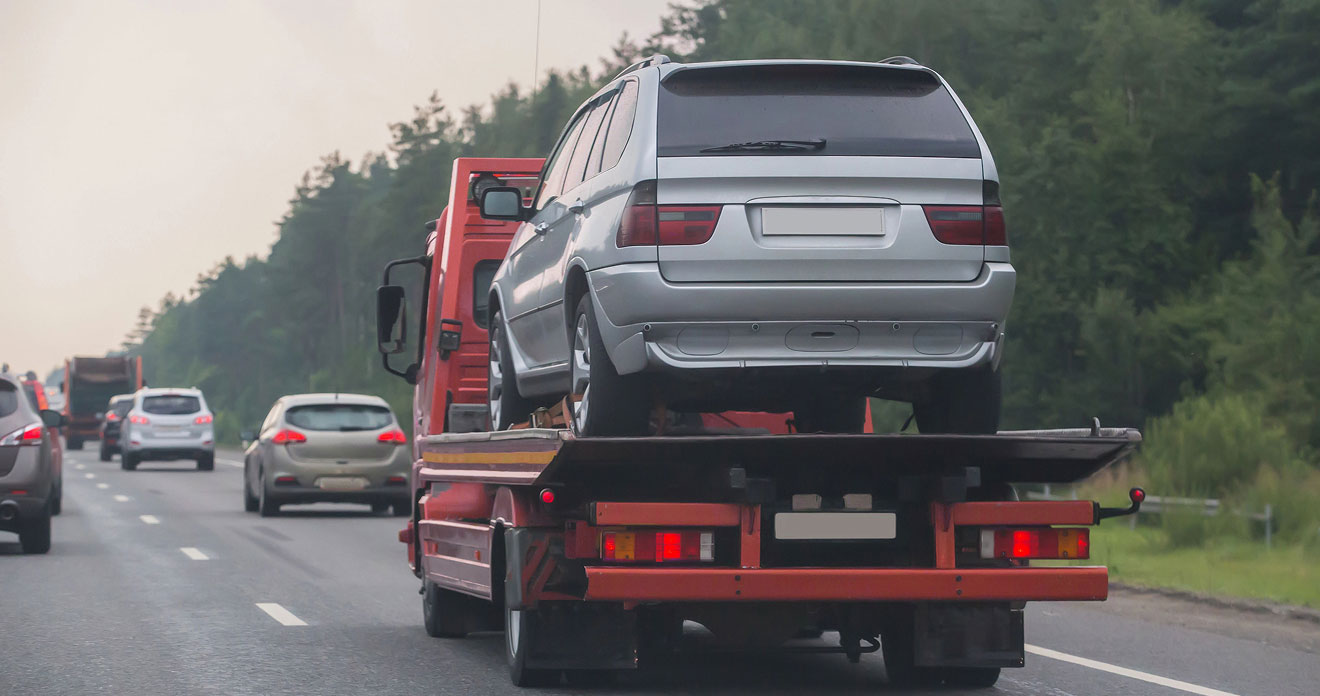
In Wisconsin, base rates for a roadside tow range from $80 – $100. Rates differ per towing company (some are cheaper than others) and your location. A tow in Milwaukee is more expensive than a tow in Milton.
For most tows, however, you’re charged more than the hookup fee/base rate. Several factors, like the mileage charge and size of your vehicle, could raise costs to over $100.
But what if it’s not a roadside assistance tow? What if you were towed to the city lot? Or moved from a private property? These are different situations with different answers. We asked our operators at Speedy Peedy Towing, and they gave the answers:
TL: DR
- Hook-up fee for cars is typically $80-100.
- Smaller trucks and buses: $90 – $150.
- Heavy-duty trucks and buses: $200 – $600.
- Typical mileage charge is $4 – $5 per mile.
- Impounds tows are $150 with a daily storage fee of $25 to $75 (depending on county or city)
- You can dispute unfair impound charges in small claims court or with the local sheriff.
How much does it cost to tow a car in a roadside emergency?

Most tow truck services in Wisconsin will charge between $80 – $90 just for hooking up your car. A few go as high as $100. Again, the base rates depend on your location. But more importantly, a few factors determine the final charge:
What determines the price of a roadside tow?
Size and type of the vehicle
- A standard light-duty vehicle falls within the afore-mentioned range: $80 – $100. Light-duty vehicles are the “regular” cars most people have: sedans and SUVs. These vehicles do not weigh more than 8,500 pounds.
- Medium-duty vehicles include box trucks, delivery trucks, and small buses; basically, trucks that weigh between 10,001 and 26,000 pounds. Typical base rates across Wisconsin fall between $90 – $150.
- Heavy-duty vehicles weigh over 26,000 pounds. These include semi-trucks, garbage trucks, cement mixers, and huge buses like RVs or school buses. Average hook-up fee is typically $200 – $600. That’s a huge range. Yes, because the truck’s type significantly affects the price. Complex trucks cost more.
- Exotic cars—supercars, sports cars, vintage cars, simply ridiculously expensive cars—these need expertise to hook up. And the base rates reflect that: $150 to $300 or more.
- Motorcycles have an average hook-up fee of $50 – $100 across Wisconsin.
Nature of Tow and/or Roadside Service
Pulling a wrecked car out of a ditch costs more than hooking one up on the road. The more complex the tow, the more expensive.
Again, prices differ per tow truck company, but expect an average range of $150 – $400 for complex recoveries like winch outs, roll-overs, jacknifes, and off-road recoveries. These tows need special equipment and the expertise to use them.
Your car’s condition also has a part to play. Some tow companies will charge an extra fee (usually $20 – $30) for missing or broken components like tires or ball joints. Vehicles missing certain parts may require specific equipment and skills to tow.
Mileage
Most tow truck services in Wisconsin charge $4 – $5 per mile plus the hook-up fee. Some offer the first mile free, so you can look out for towing companies that do this.
By law, emergency roadside services in the state can impose an extra charge of $3 per mile if the distance exceeds 20 miles. Trips over 20 miles are considered long-distance tows, and mileage for these also covers the tow truck’s return trip to base.
Additional Roadside Services
Extra help costs extra dollars. For instance, if your car’s stuck in park or you’re locked out, that’ll incur extra charges. Additional services like this typically cost around $20.
These aren’t the only factors that go into tow costs. Sometimes, hookup fees don’t apply, and the towing service company charges hourly. To learn more, read How towing costs are determined?
How much does it cost to get your car from the tow lot?

In Wisconsin, you’re typically charged a towing fee and a daily storage fee.
Prices will vary across counties. In Milwaukee, you pay a standard towing fee of $150 to get your car from the city lot. The daily storage fee is $25. If you’re uninsured, there’s a relocation fee of $50.
In Madison and Dane County in general, the cost of towing is around $140 to $150; tow yards will charge $45 to $75 daily for storage.
In short, you can expect to pay close to $200 if your car’s been in the tow lot for at least a day.
Can you reduce the tow charges?
The towing charges can get ridiculously high due to the daily storage fees. Nobody wants to pay outrageous amounts just for parking in the wrong spot.
If you think you’ve been charged unfairly, you can appeal the ticket or request a review. Most cities will provide a contact or online form on their official website.
This is not legal advice, but you can also dispute the charges in small claims court. Or go to the local sheriff’s office that authorized the tow.
You’ll need some proof, so ask the towing company to provide a written breakdown of all charges if they haven’t already. This is typically an itemized invoice that lists towing, storage, and administrative fees.
If they refuse to provide these documents, they may be violating state laws, and you might have a strong case. You can even report them to the Wisconsin Department of Agriculture, Trade, and Consumer Protection.
If they do provide a written breakdown, look out for any fees that seem unusually high, especially if you’re familiar with the typical rates. But do your research; some outrageous-looking fees can be legally acceptable. On the other hand, there are state laws limiting how much towing companies can charge for vehicle storage and impounds.
How much would you pay if your car was towed off someone’s property?
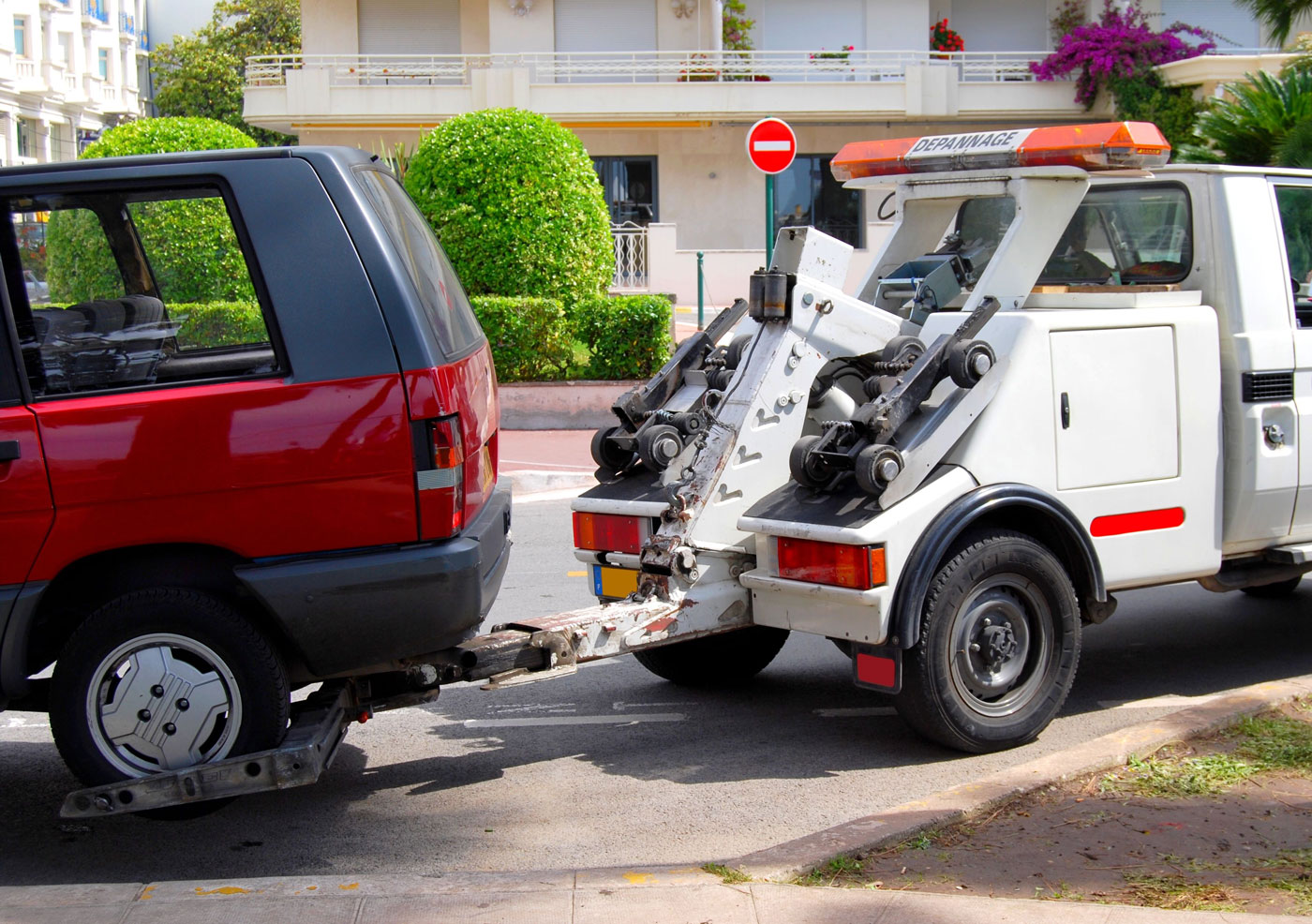
According to Wisconsin’s Department of Transportation, the maximum charge for towing a vehicle off private property is $150. Daily storage fee at an outdoor facility shouldn’t exceed $25, while indoor storage shouldn’t exceed $35 daily.
Under this rule, tow services can’t charge typical “extra fees” like administration or processing, unless certain conditions are met. However, there’s a clause that lets them charge up to $150 extra for using special equipment.
Many towing services have exploited this clause in the past, and still are. They charge for special equipment even if said equipment was never used. It’s a vague law and therefore a tricky one. What constitutes “special equipment” is not specified. Plus, most towed drivers are never around during towing to confirm what special equipment was used.
What to do if you’ve been charged unfairly? Dispute the charges in small claims court. Or go to the local sheriff’s office.
Who gets to pay for a private property tow?
The owner of the towed car. This can’t be disputed. Once it’s established that you parked on someone else’s property, you, and not the property owner, are legally obligated to pay for all resulting charges.
Will car insurance cover your tow?

It depends. Many roadside insurers cover roadside emergency tows, but it has to be on your insurance policy. So, you must review your policy or confirm with your insurer.
Whether you have to pay for the tow also depends on the nature of the emergency. If it’s an accident and the other driver is at fault, they might cover the cost with their liability coverage.
Standard insurance policies usually don’t cover impound tows or lot fees. Unless you specifically requested this type of coverage on your policy.
If your car’s towed from someone’s property, insurance likely won’t cover the tow cost either.
Predatory Towing is Real, and You Can Avoid It
Road vultures may no longer thrive as they used to, but they still exist. Some towing services will overcharge you if you let them. And by “overcharge,” we mean hundreds of dollars more than they should.
Unlike impounds or private tows, roadside emergency costs in Wisconsin don’t have legally specified limits, but you don’t have to get overcharged.
Always confirm the price of a tow before an operator hooks up your car. Think you’re getting exploited? Our towing calculator can help. It calculates the average hook-up rate (according to the size of your vehicle), mileage, and other emergency service fees.