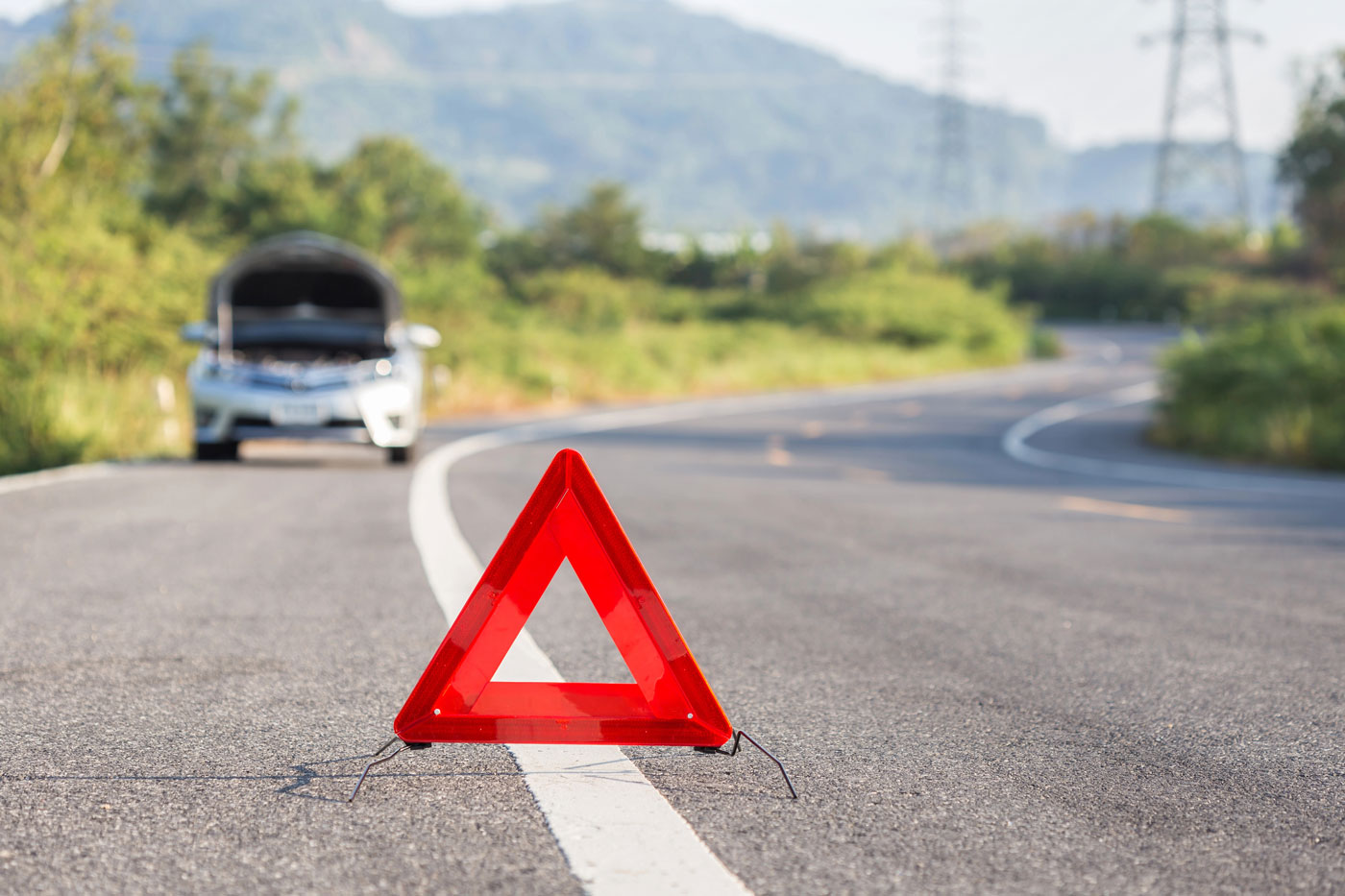
If your car breaks down on the highway, turn on your hazards for starters. Wisconsin’s Move Over Law requires oncoming drivers to slow down and switch lanes when approaching a disabled vehicle or emergency roadside assistance vehicle.
The only way they’ll notice you is if your hazards are on.
After that, locate ramps or pull-off zones when possible, even if that means driving on a flat rim for a quarter mile. No pull-off zones? Then coast your car as far onto the right shoulder as it will go.
Finally, stay in your car and call for help. Wisconsin highway safety patrols are often nearby, and they may reach you before the police if you call 911.
What if the car wouldn’t move at all on a live lane? Stay buckled inside and call 911. A stalled vehicle on I-94 or I-41 is an emergency, and dispatchers treat it as one.
Roadside emergencies aren’t always straightforward. Our roadside experts have dealt with various interstate breakdowns. Here’s what they recommend you do in that situation.
TL:DR
- Turn on your hazard lights the moment something feels wrong, and get as far right as possible.
- According to Wisconsin’s Move Over Law, all drivers have the duty to move lanes or slow down for you when your hazard lights are on.
- If you’re blocking a live lane, call 911 and stay buckled in your car with your wheels turned away from traffic.
- If you have a Wisconsin construction zone emergency, get to the next emergency pull-off if you can. If your car won’t move, call 911.
- When you are safely on the shoulder, call the Wisconsin State Patrol line (1-844-847-1234).
- WisDOT Safety Patrol trucks patrol major corridors and work zones. They provide immediate help to stranded drivers.
- Collect vehicle details, such as the plate number and car model/make, when filing a violation report.
What To Do Immediately Your Car Breaks Down On The Highway
If your car starts acting up on an interstate, here’s what to do in the first few minutes:
- Before you figure out the problem, turn on your hazard lights. It sends a clear message to oncoming cars that there’s a disabled car ahead—safety before anything else.
- Move to the right shoulder, go as far as possible. An exit ramp or a temporary pull-off zone may be better if one is in sight. With your hazard lights on, other cars will approach with care.
- After moving, turn your wheels away from traffic and set the parking brake. That way, a bump from behind pushes the car off the road instead of into it.
- Stay in your car with your seatbelt on. Otherwise, leave the car only if you can exit on the passenger side and get well clear of the roadway, behind a barrier.
Why You Should Stay Buckled In Your Car
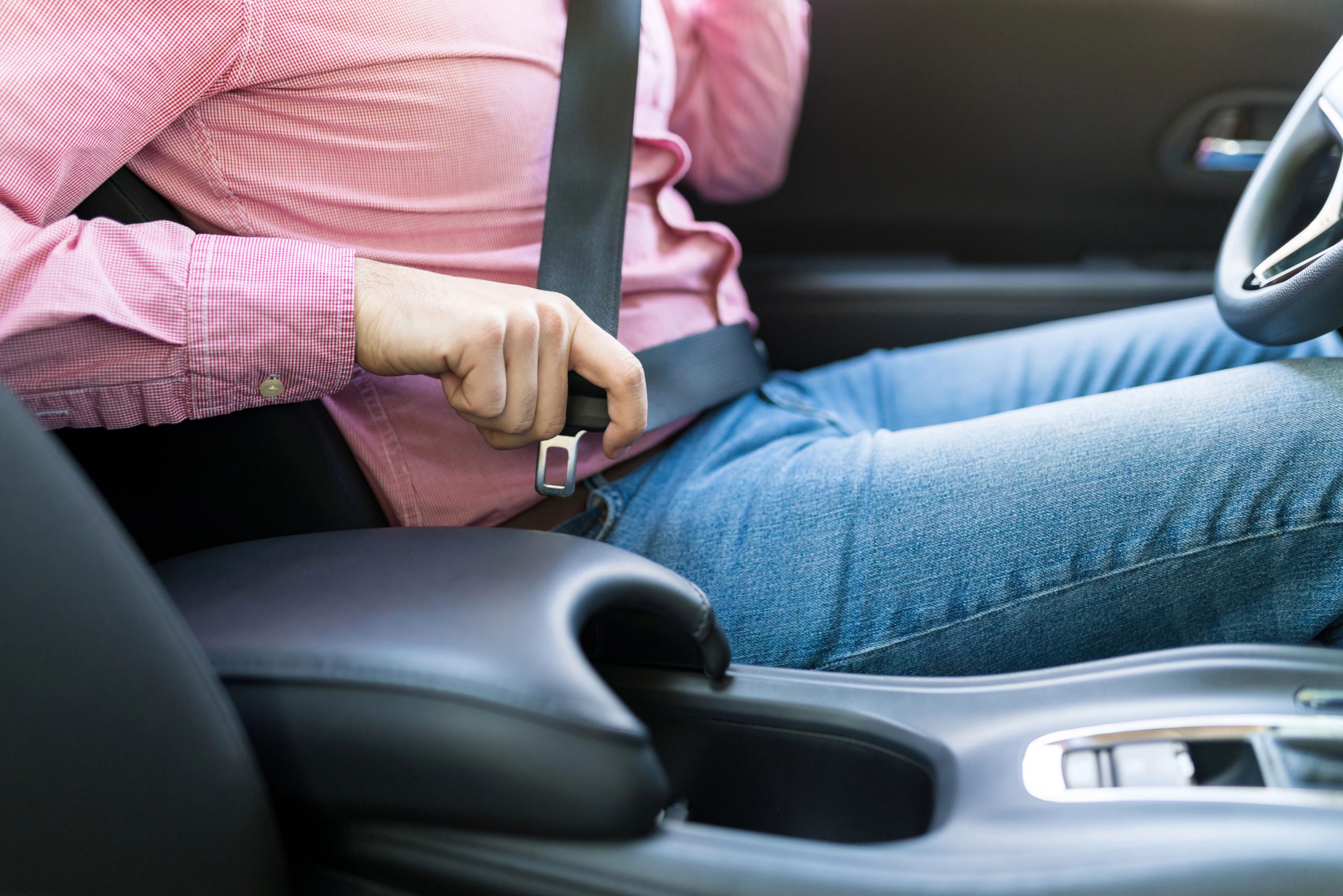
Standing beside your car on the shoulder of I-43 is dicey. It’s one of the most dangerous places you can be.
For one, distracted drivers drift toward whatever they’re looking at. Best believe they’d look at disabled cars.
Get down to set out triangles or flares if traffic is light and the sightline is long. Otherwise, stay in the vehicle and call for help.
Stuck in a Live Traffic Lane? Here’s What To Do
Let’s assume your alternator quits on you while coasting in the center lane of I-894 with no power steering or hazards. Here’s the best line of action:
- Call 911 without hesitation. A vehicle blocking a Wisconsin freeway lane is an emergency. Sometimes, the State Patrol Team may sight you earlier and offer roadside assistance. If you have a tow truck that responds swiftly, you may call them.
- Give them your direction of travel using the nearest exit or mile marker, and specify your lane.
- Remain in your car and use your seat belt.
It’s not uncommon for deputies to show up and park behind you with lights running until a tow arrives. Also, officers have the right to move or order the removal of any disabled vehicle obstructing a freeway.
Don’t fight that.
It’s the fastest route to safety, though the towing costs more than arranging your own tow.
Lastly, well-meaning strangers may stop and offer to help you push your car to safety. On a city street, that’s fine. But on the interstate, wave them off and wait for a light bar.
What to Do if Your Car Breaks Down in a Wisconsin Construction Zone
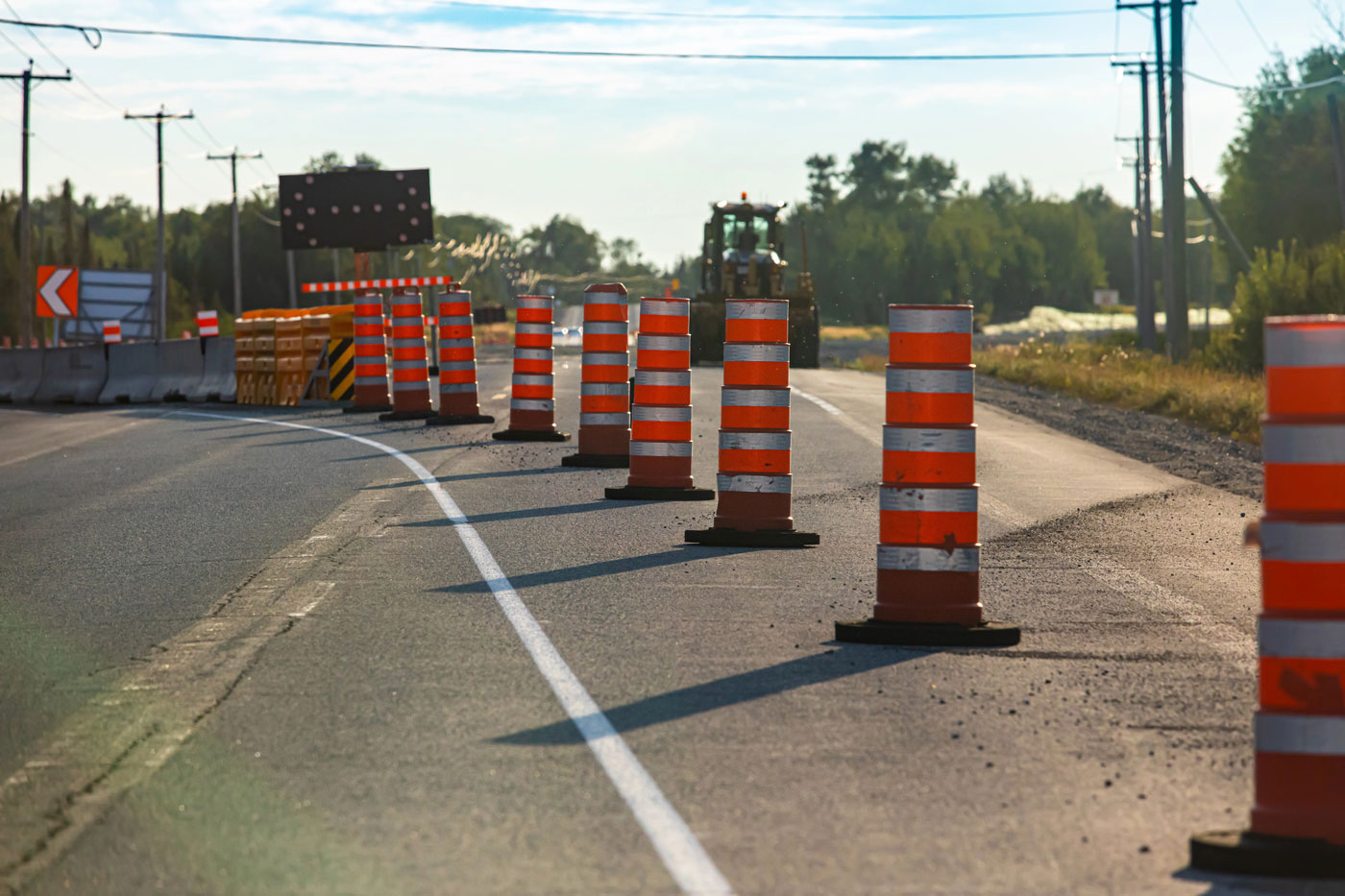
I-94 East-West in Milwaukee or the I-41 corridor near Appleton have concrete barriers on both sides, with no shoulder.
It’s definitely the scenario a stuck driver dreads.
Luckily, WisDOT’s Traffic Management Center monitors Wisconsin work zones with cameras. So, the Freeway Service Team seamlessly removes disabled cars from the road with the right signals.
There are emergency pull-off areas along major highway construction zones. But these pull-off zones are often spaced 1-2 miles apart.
You can coast into one if your car still moves. Remember, keep your hazard lights on.
If your car won’t move, call 911. But chances are the Freeway Service Team will get to you before the police.
Stalled cars in a barreled single lane are emergencies, and the cameras flag you fast. Stay put in your car until they arrive, unless traffic is light enough to exit safely.
Know Who to Call: 911 vs. 511 vs. State Patrol
These three numbers serve different purposes. When:
- In dangerous situations? Call 911. Dangerous situations may include being stuck in a live lane. Or being stuck in a no-shoulder zone. Your car is smoking, or you’ve been in a crash.
- You need traveler information? Call 511. That’s WisDOT’s traveler information line. Just dial it from any phone inside Wisconsin (1-866-511-9472 from outside WI) for live traffic and incident reports. There’s an option to transfer to the State Patrol. The 511 Wisconsin app and website also show 500+ live traffic cameras.
- Stuck but safely on the shoulder? Call Wisconsin State Patrol. Wisconsin operates a statewide toll-free line at 1-844-847-1234 for urgent road assistance.
Also consider checking your insurance or new-car warranty for roadside coverage. Or call a local towing service directly. A local company will know exactly how to locate you.
Wisconsin’s Move Over Law Now Protects You, Too
Previously, the state’s move-over law required drivers to shift lanes or slow down for emergency responders with warning lights flashing.
In 2025, Wisconsin Act 54 extended that same protection to all disabled vehicles. Now, other drivers must create a safety zone.
As we said earlier, they’ll only notice you if your hazards are flashing or your warning devices are out.
On the interstate, other cars will vacate the lane next to you. Otherwise, they’ll slow down.
Basically, your flashing hazards trigger a legal duty on every driver passing you.
Free Help: The WisDOT Safety Patrol
The WisDOT Safety Patrol monitors high-volume corridors and major work zones.
When they discover a disabled car, they relocate it. They even go so far as to handle minor fixes, such as flat tires and battery jumps, at no cost.
Coverage often rotates with construction projects. However, it often includes I-41 near Milwaukee and the Fox Cities, as well as the I-94 and I-90/94 corridors.
Dane County even has Sheriff’s Freeway Service Teams that shove dead cars out of a live lane in seconds. But you can’t summon these patrols directly. They find you during their patrol or dispatch sends them after your 911 call.
What to Do If You Break Down at Night or With Kids, Pets and Dead Phones
At Night
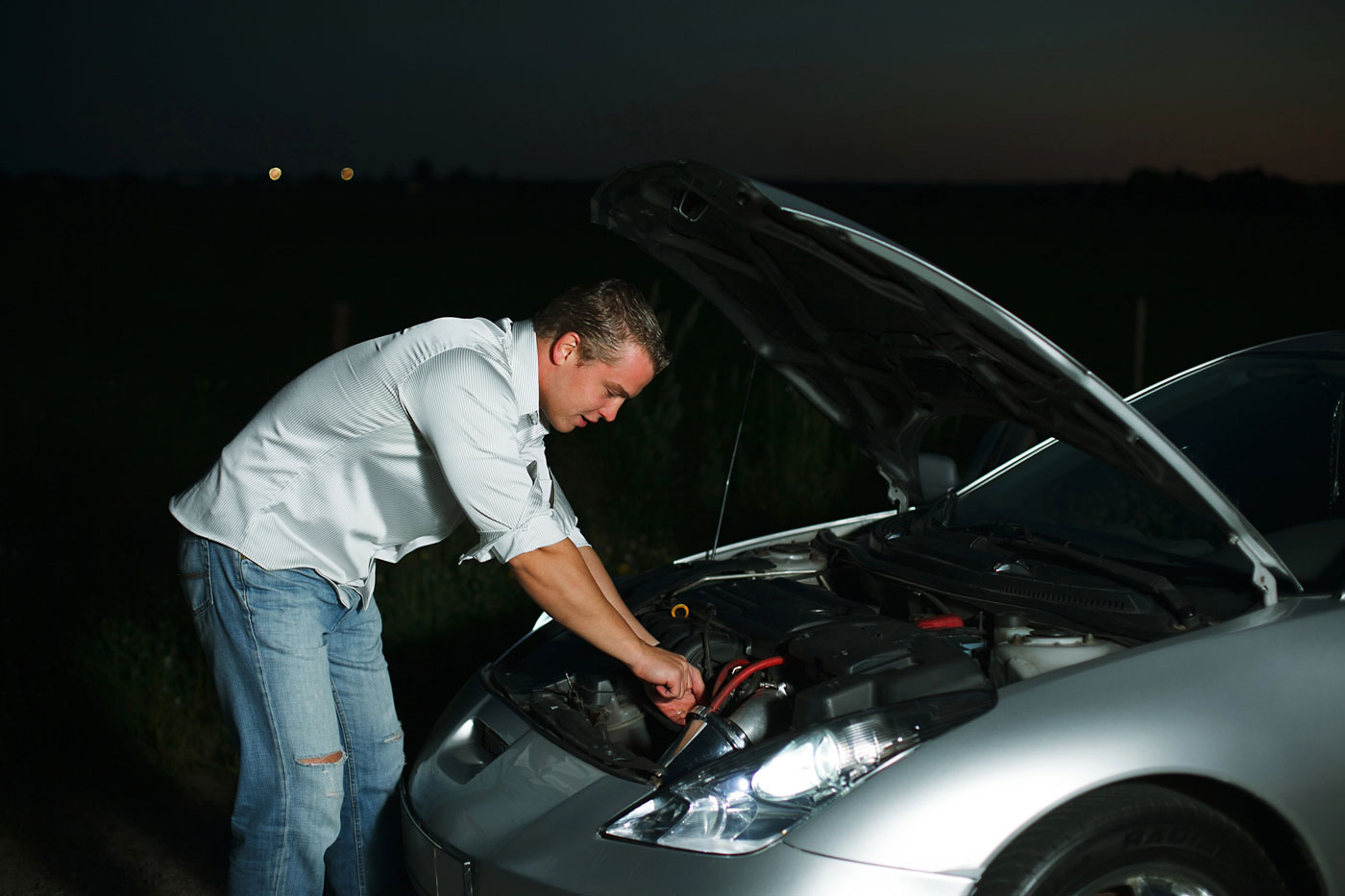
All the precautions listed so far apply in this case. In addition, turn on your interior dome lights to make your car appear occupied. Don’t walk out to place triangles unless the road is nearly empty.
With Kids or Pets
Ensure everyone is buckled and remains in the car. It’s not particularly safe to wrangle out a car seat on a live shoulder.
If you have to evacuate, carry your children in one trip and keep your pets leashed. A loose dog on a freeway creates a second emergency. Try to avoid that.
Phone Dead or No Signal
If you can’t call for help, raise your hood. It’s a universal distress signal. On a camera-monitored freeway, this action tells the Traffic Management Center you’re disabled rather than parked.
In fact, passing drivers also report stranded vehicles. So help usually finds you within the hour on any major interstate.
How Much Will You Pay for an Emergency Tow?
A police-ordered tow means paying whatever their contracted towing services charge.
Usually, those rates are high. You may also pay for daily storage if your car stays in a lot. If your car does get hauled, here’s how to find your towed car in Wisconsin.
Worth knowing: These police-ordered removals aren’t limited to roadside situations. The rights cut both ways, and they work in your favor when a car is blocking your driveway in Wisconsin.
Calling your own tow service first usually saves money. A standard hook-up in southeast Wisconsin runs $80–$100 plus mileage, and you choose the destination.
With Speedy Peedy Towing, you can calculate your expenses using our towing calculator.
FAQs
Is it illegal to leave my car on the interstate shoulder in Wisconsin?
No. You won’t be cited for an emergency stop, but don’t abandon it for long. Officers can tag and remove vehicles left on freeway shoulders. Then you’ll end up paying impound and storage fees.
Should I call 911 for a flat tire on I-94?
Only call 911 for a dangerous emergency, such as getting stuck in a barrel work zone or partially in a lane. If you are safely on a wide shoulder, call the Wisconsin State Patrol or a tow company.
Will Wisconsin State Patrol change my tire?
The WisDOT Safety Patrol trucks change tires only when it’s within their coverage corridors.
Troopers protect the scene, but they don’t make repairs. They’ll typically park behind you with their lights on and call a tow truck.
Can I be forced to accept a police-ordered tow?
If your vehicle obstructs the roadway, yes. Wisconsin law permits officers to move it or have it moved, and the owner pays. When you are safely off the road, you can arrange your own towing company.