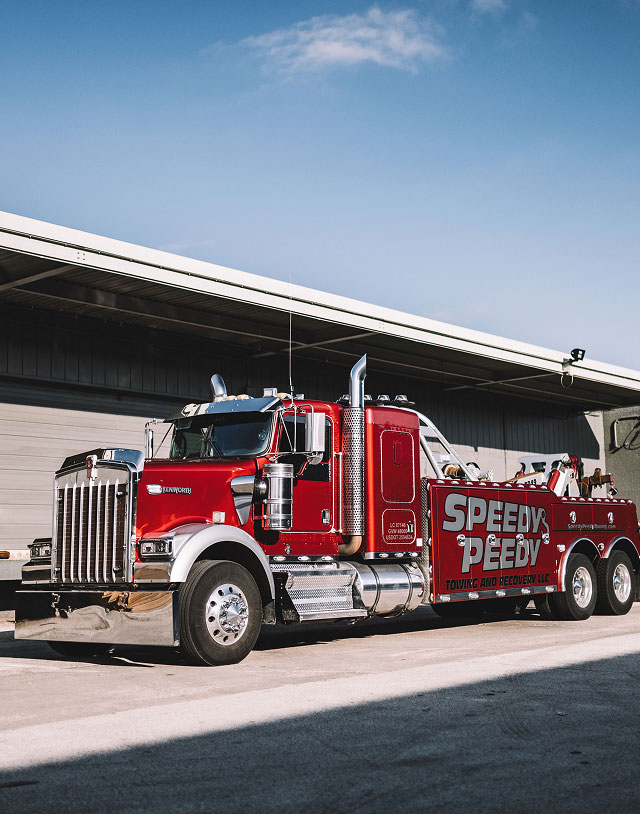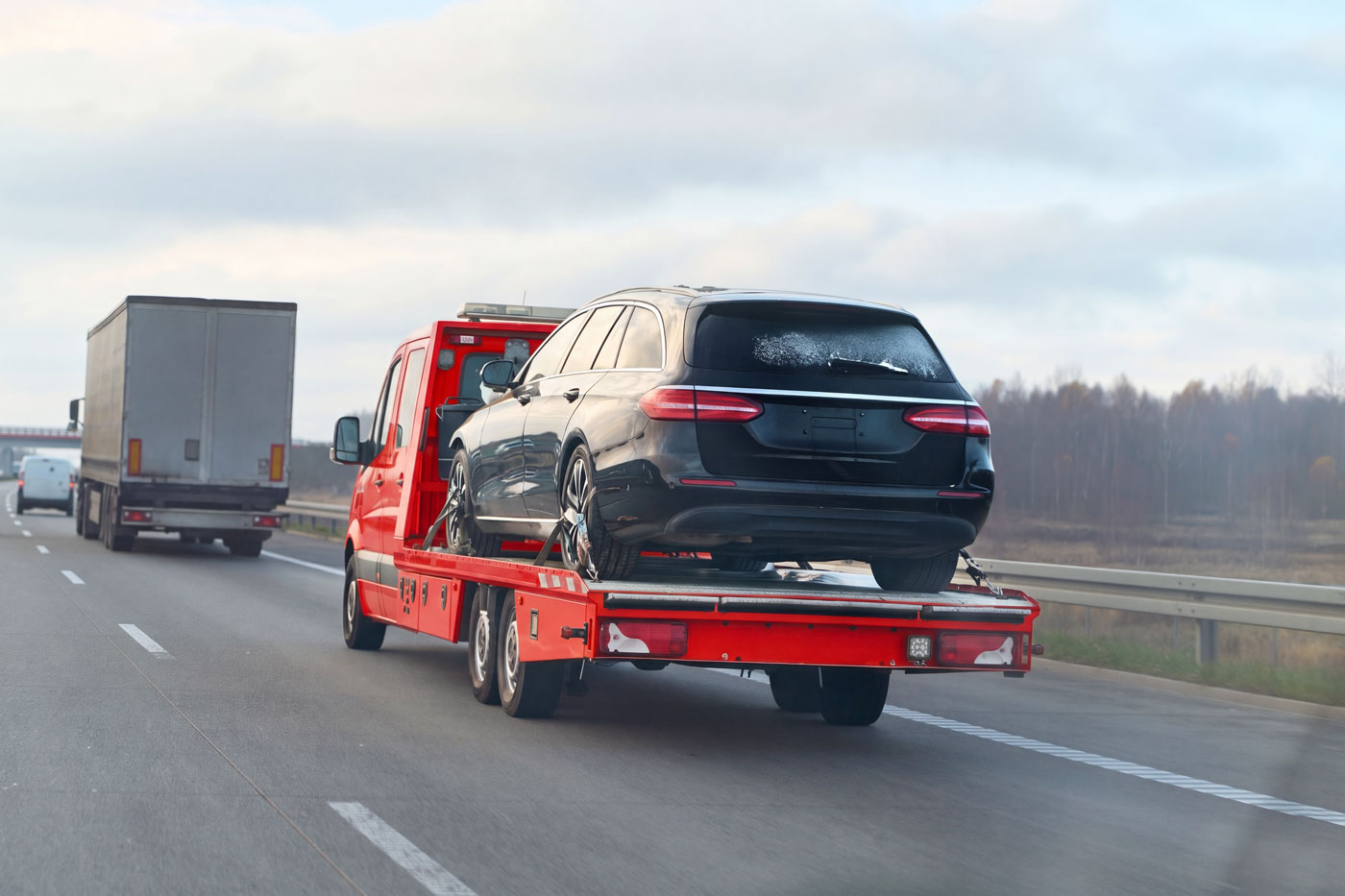
Towing an EV starts with knowing how its drivetrain works. Hooking up an electric car the same way you would a gas-powered vehicle can damage it. Most manufacturers don’t allow this method.
The WreckMaster-certified operators at Speedy Peedy Towing have spent over a decade recovering vehicles across Southeast Wisconsin. Based on our experience, the right way to tow an EV mostly depends on the EV’s model and drivetrain.
Some models require all four wheels off the ground, while others allow alternatives under strict conditions.
Before you request an EV towing service, here’s what you need to know.
TL;DR
- If your EV breaks down, call a towing company that specializes in EV recovery.
- The wrong towing method can damage your EV’s motor, drivetrain, wheels, or braking system.
- Always opt for a flatbed tow.
- If a flatbed can’t reach your car, a wheel-lift truck needs dollies so no tire rolls on the road.
- Locked wheels or a dead 12V battery? Wheel skates or specialized loading gear can slide the car on without turning the wheels.
- Tow Mode is for rolling the car a few feet onto a ramp at walking speed. It’s not meant for towing.
- Never tow an EV with a rope to recharge its battery. It can overheat the motor and create a fire risk.
Can You Tow an Electric Car Safely?
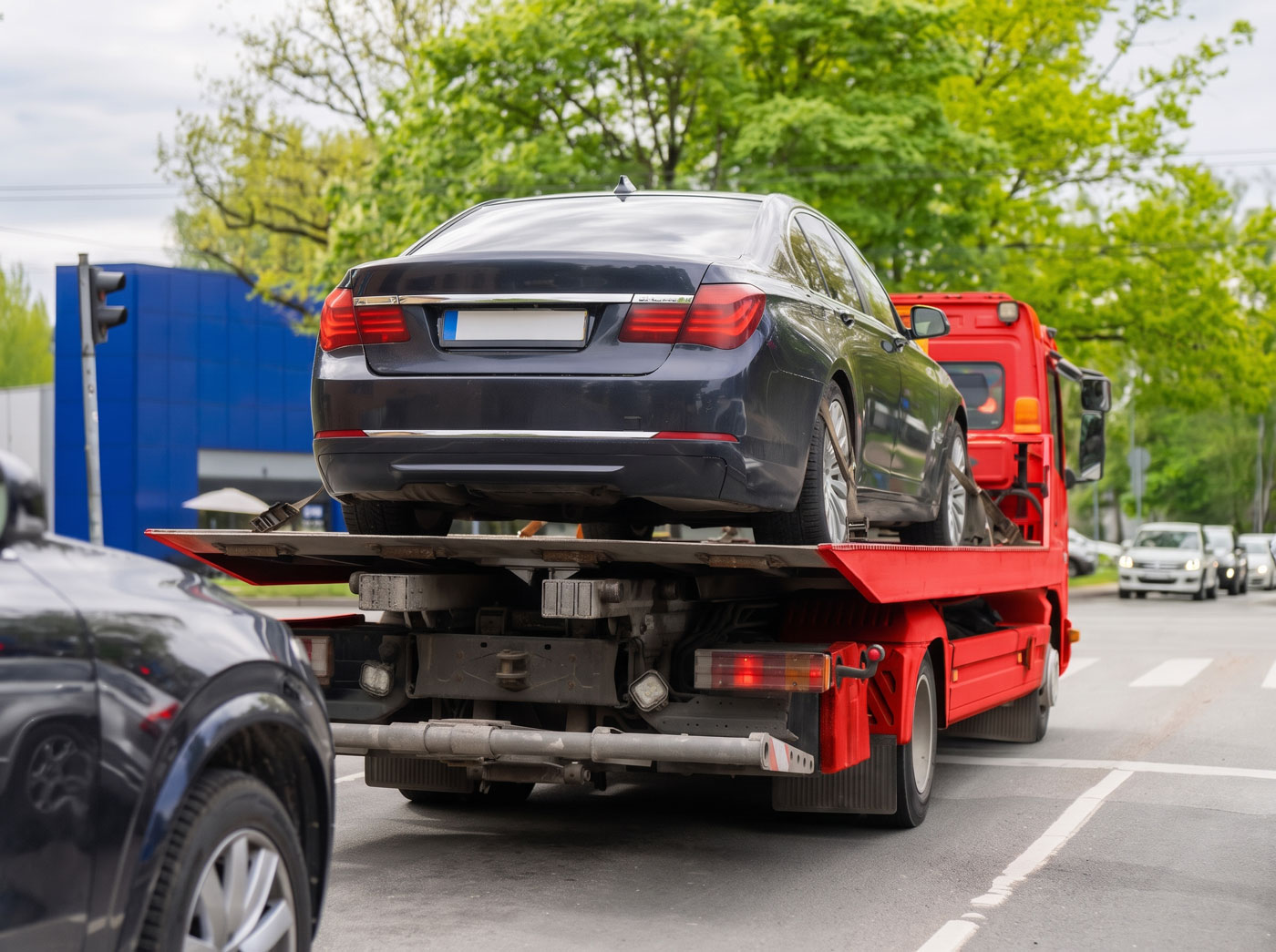
Yes, with the right setup. A regular car towing truck can help if it has the right equipment. The risk comes when one end is lifted while the other wheels roll on the road.
Those spinning wheels turn the motor, creating electricity the car was never built to handle. This can damage the motor, drivetrain, braking system, and other components.
We usually recommend a flatbed tow but your EV’s manual determines the safest method.
Does Putting an EV in Neutral Make It Safe to Tow?
Not necessarily. Neutral lets your EV roll, but it doesn’t automatically make rolling on the road safe.
For example, Nissan’s LEAF instructions call for Neutral when the front wheels sit on towing dollies. That’s to position the car. It’s NOT permission for a long-distance tow.
Why Electric Cars Need Special Towing Procedures
EVs need special towing procedures for three reasons:
- When an EV’s wheels spin on the road, they drive connected motor components. Depending on your vehicle’s design, this can generate electricity and damage the drivetrain.
- A collision may damage high-voltage wiring or the battery even when the EV looks fine. This can pose a fire risk later. If you notice smoke, unusual heat, or a strange smell, move at least 50 feet away from it, then report these signs to an emergency roadside service. You can call our trained operators for a safe accident recovery.
- An EV’s 12V battery powers the electronics that release the parking brake and switch on tow mode. If it fails, your car may refuse to roll even with a charged main battery. You’ll need a manufacturer-approved way to release the brakes or use wheel skates to load the vehicle.
Tell a towing service if your EV has lost driving power or its electrical systems have stopped working. Those are different problems that need different recovery methods.
If you’re dealing with a breakdown, our roadside assistance service can help.
What’s the Safest Way to Tow an Electric Car?
Flatbed Towing
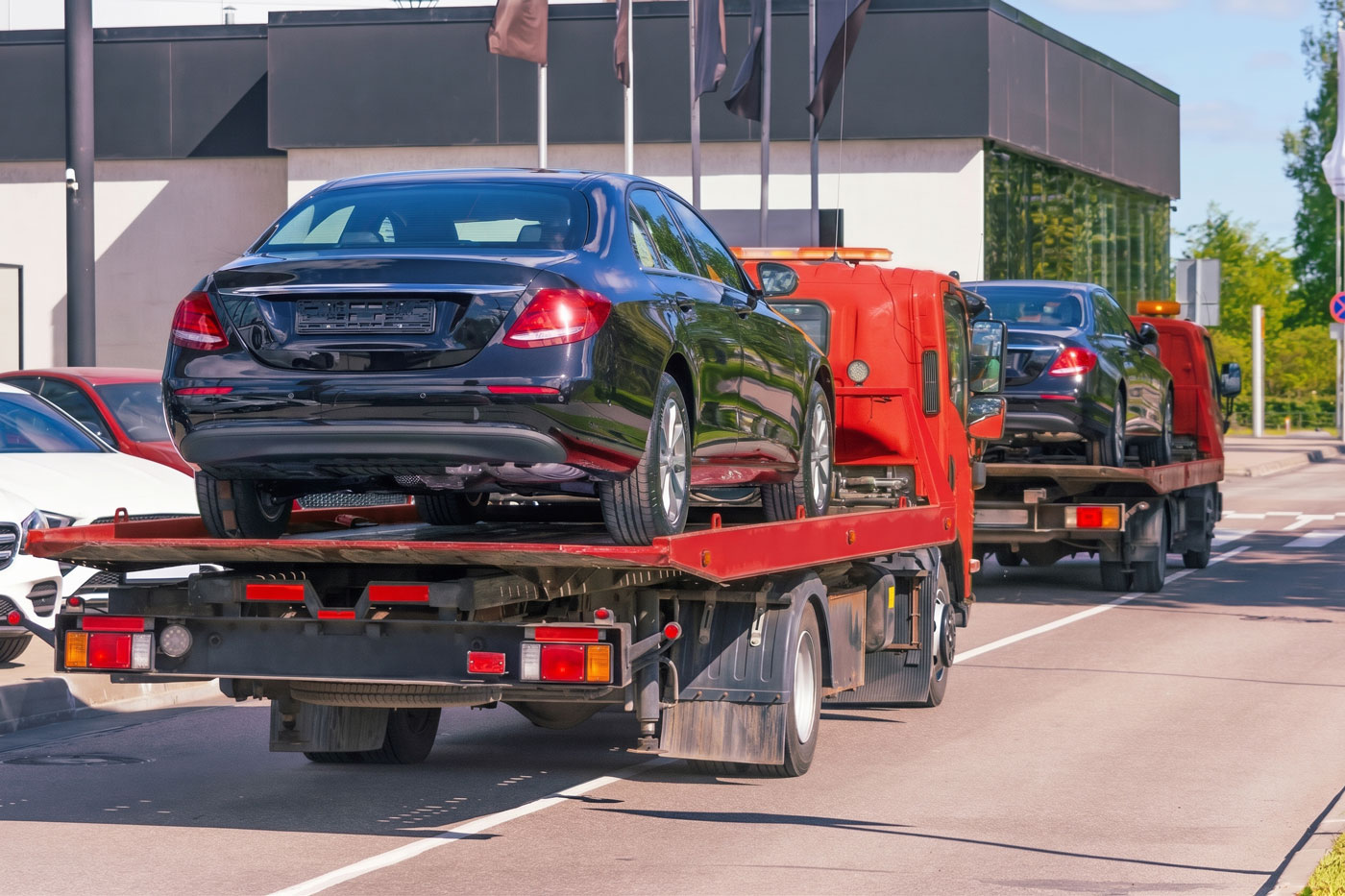
When towing an EV, a flatbed is always our first choice. We winch your car onto the steel deck so that no tires rotate against the road.
A flatbed is especially useful for AWD electric cars and EVs that won’t shift into Neutral.
However, there’s more to it than getting all four tires off the ground. If the parking brake is stuck or the wheels are locked, dragging the car up the ramp can damage the wheels and drivetrain.
That’s when our licensed towing company reaches for wheel skates or another approved loading method. We also use the correct tow points and release the parking brake properly.
Wheel-Lift Towing & Dollies
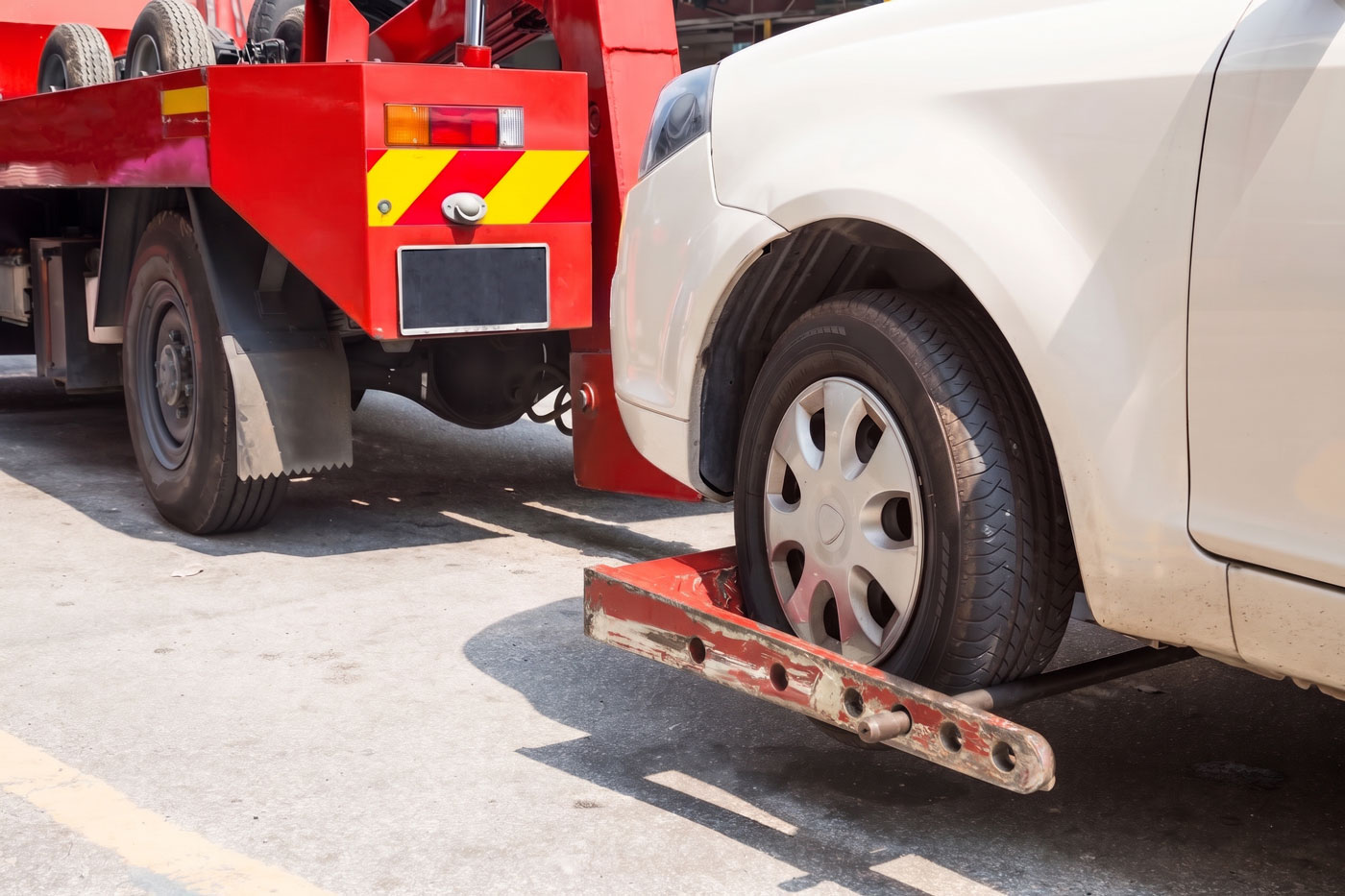
A wheel-lift truck can sometimes tow an EV when a flatbed can’t reach it.
Depending on your model, we may need dollies under the remaining wheels. The lift raises one end while dollies support the other wheels, keeping them off the road.
Tesla’s Model 3 instructions allow a wheel-lift-and-dolly setup under these conditions:
- Maximum distance is 35 miles.
- Speed should stay within the dolly manufacturer’s limit.
- The car must face forward, with the front wheels on the lift and the rear wheels on dollies.
Never assume those rules apply to other models.
Nissan lets us lift the front wheels on a wrecker or set them on dollies. If the rear wheels remain rolling on the ground:
- The vehicle’s power switch must be set to ON
- Steering wheel must be secured straight ahead
- Selector should be placed in Neutral
- Mechanical parking brake should be disengaged
Caution:
If your EV stays powered on while its rear wheels roll, it needs a working 12V battery. A weak battery or lost power mid-tow makes the setup unsafe. In that case, we’ll check the manufacturer’s instructions and switch towing methods.
Can You Ever Tow an EV With the Wheels on the Ground?
Moving an EV a few feet out of danger is different from towing it several miles to a repair shop.
Some EVs allow limited movement under specific conditions. That doesn’t mean you can tow them with their wheels rolling along the road without damaging your drivetrain.
So How Do You Move Your EV Out of Immediate Danger
If your EV breaks down in traffic, get yourself to safety first. Don’t try to push the car if it’s too dangerous to do so in traffic.
Read our guide on what to do when your car breaks down on the highway.
Some EVs have a mode that lets us move them onto recovery equipment.
Tesla’s Model 3 has Tow Mode, limited to under 10 meters at under 8 km/h. So while this can help move your EV out of the way or get it on a truck, it’s NOT permission to tow it down the road with its wheels turning.
If your EV has already been towed and you’re unsure where it was taken, read our guide on how to find your towed car.
Can You Tow an EV to Recharge Its Battery?
We’ve seen people pull an EV with a rope to recharge its battery through regenerative braking. Don’t try it, especially if your car is broken down.
If it has a fault or won’t enter Tow mode, its coolant pumps will go offline. Pulling it at speed can cause the motor to overheat rapidly, increasing the risk of a fire.
What Do Manufacturers Say About Towing Electric Cars?
| Model | Recommended Tow Method | Are Wheels Allowed on the Road? | Is a Single Axle Lift Permitted? |
|---|---|---|---|
| Porsche Taycan | Flatbed Only | No | No |
| Hyundai Ioniq 5 (AWD) | Flatbed Only | No | No (Must elevate both axles) |
| Hyundai Ioniq 5 (2WD) | Flatbed or Front-Axle Lift | Yes (Rear wheels only, if front is lifted) | Yes (Front wheels must be off the ground) |
| Tesla Model 3 / Y | Flatbed Only | No (Unless using dollies) | No (Must elevate both axles) |
| Nissan LEAF | Flatbed or Front-Axle Lift | Yes (Rear wheels only, with Power ON) | Yes (Front wheels must be off the ground) |
| Jaguar I-PACE | Flatbed Only | No | No |
| Chevy Bolt EV / EUV | Flatbed or Front-Dolly | Yes (Rear wheels only, front on dolly) | Yes (Front wheels must be lifted via dolly) |
| BMW i4 (All Trims) | Flatbed Only | No | No (Must elevate both axles) |
| Rivian R1T / R1S | Flatbed Only | No (Unless using dollies/skates) | No (Must elevate all four wheels) |
Need details for your exact model?
The NHTSA’s emergency response guide lets you filter and find instructions for your specific EV model.
How to Choose the Right Towing Company for Your EV

Here’s what to do before hiring an EV towing service:
- Ask if they can send a modern flatbed tow truck.
- Ask if they have EV-savvy operators with high-voltage safety training and exotic car towing experience. A WreckMaster certification proves they’re trained in accident recovery, but ask about EV jobs too.
- Request an itemized quote covering the hookup fee and mileage rate. You can check what towing services cost in Wisconsin beforehand.
- Ask for proper licensing and insurance.
- Check their reviews on how they handled EV recoveries in particular.
Frequently Asked Questions
Can I tow an EV myself?
Not with a tow strap or standard tow bar. Towing an EV the wrong way can be physically destructive. In Wisconsin, you’d also need specialized equipment and proper certification to move it legally.
Does towing an electric car cost more?
Yes. EVs often require specialized fleet and trained operators, especially when the battery is dead. Tow companies invest $10,000–$12,000 to adapt their equipment. That can push starting rates to around $175, compared with roughly $125 for a standard vehicle. To get an estimate for your tow, use our towing cost calculator.
Why do I need an EV sticker?
Wisconsin state law requires qualifying EVs to display orange-and-black “EV Hybrid” stickers on both license plates. They tell first responders what they’re dealing with, including possible high-voltage and battery-fire hazards.